 Skip to content


A bathroom remodel feels exciting until permit questions show up. Many homeowners search for bathroom remodel permits in Indiana right after they start planning. They want to know what work needs approval, what work does not, and how to avoid delays.
That matters for a real reason. A missed permit can stop a job, raise costs, and create problems during a future sale. This guide breaks down the basics in plain language. In Indiana you will find out what things usually need a permit. You will also learn what things are just cosmetic and do not need a permit. The process of getting a permit is different in Lake County, Porter County and St. Joseph County. Lori K Bath helps make the whole job easier in these places. Lori K Bath is very helpful when it comes to dealing with permits, in Lake County, Porter County and St. Joseph County.
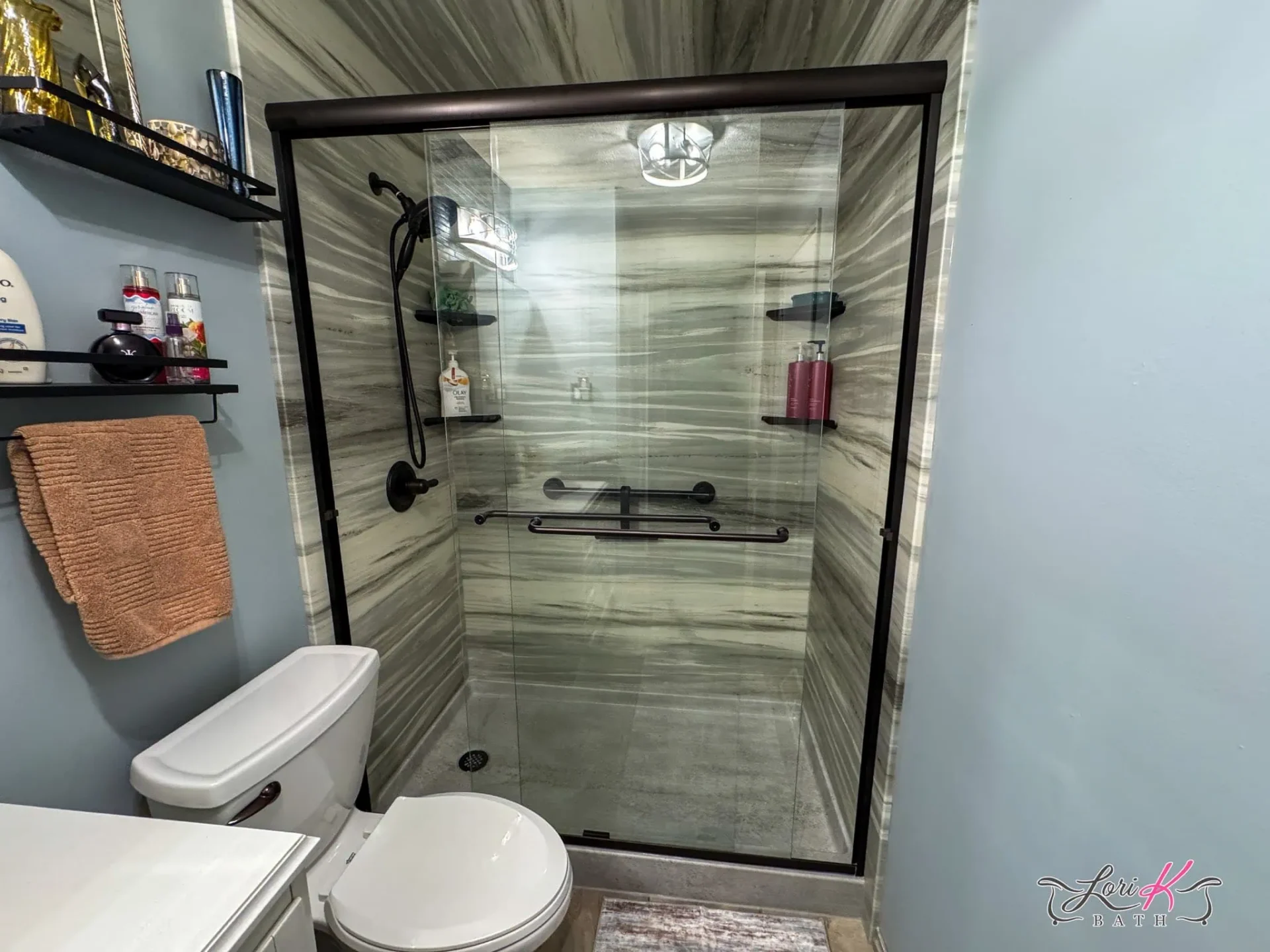
Do You Need a Permit for a Bathroom Remodel in Indiana?
In many cases, yes.
The answer depends on the scope of the remodel. Surface updates often stay outside the permit process. Work behind walls usually changes that. Plumbing, wiring, framing, and ventilation all connect to building code.
That is why a bathroom project can shift fast from simple to regulated. A new mirror and fresh paint are one thing. Moving a drain line or wiring a new fan is something else.
Most homeowners do not want to guess here. That is smart. A quick check with the local building office before the demo starts can save time and stress.
When Permits Are Required
Permits usually come into play once the remodel changes how the bathroom works or how the home is built.
Structural changes
When you do work on your house you usually need to get a permit for it. This is the case when you are moving walls or changing the layout of a room or making a doorway wider or changing the framing of your house. These kinds of jobs can really change your home so the people at the office want to know about the work that is being done and they want to be able to come and look at it. They want a record of the work that is being done.
Even small layout changes can trigger review. A larger shower, a moved linen closet, or a new window opening can all fall into this group.
Electrical changes
Electrical work often needs approval too. Bathrooms are wet spaces, so code matters here. New outlets, GFCI protection, light fixtures, heated flooring, and exhaust fan wiring can all require a permit.
This part gets missed a lot. A homeowner may think a new vanity light is a small swap. If wiring changes inside the wall, the job can move into permit territory.
Plumbing changes
Plumbing work often triggers a permit. That includes moving a toilet, relocating a tub, changing shower plumbing, replacing supply lines inside walls, or changing drain and vent lines.
Water problems do not stay small for long. A hidden water leak can cause damage to the drywall and the framing and the flooring before anyone sees the water leak. The permit review process gives the work another set of eyes to look at the water problems before the room is closed up.
Mechanical and ventilation changes
A bathroom fan may look simple, yet ventilation work can need approval too. New duct runs, fan replacements with wiring changes, and other moisture control updates may fall under permit rules.
This matters more than many people think. Bathrooms collect steam fast. Poor ventilation can lead to mildew, peeling paint, and hidden moisture damage.
When Permits Are Not Required
Cosmetic work often does not need a permit.
That usually includes paint, mirrors, trim, shelving, hardware, and simple finish updates. New flooring may stay in the cosmetic category too. A vanity swap in the same location may not need a permit if it does not change plumbing or wiring inside the wall.
A faucet replacement may stay simple too if the plumbing location stays the same. The key issue is this: once the job touches pipes, wires, framing, or ductwork inside the structure, the permit question comes back.
This is where bathroom projects grow fast. A homeowner starts with a vanity. Then the light moves. Then the outlet moves. Then the plumbing shifts a few inches. A small refresh can turn into a permit job in one weekend.
How to Pull a Permit in Lake County, Porter County, and St. Joseph County
The exact process depends on where the home sits. Some properties fall under county offices. Some fall under city or town offices. The basic path stays close to the same in most places.
Here is the usual flow:
- Confirm the correct permit office for the property
- Describe the scope of work
- Submit the permit application
- Share any required drawings or contractor details
- Pay the permit fee
- Schedule inspections at the proper stages
That sounds simple on paper, yet local details matter. Homeowners should always start by confirming the office tied to the property address.
Lake County
Lake County homeowners should first check if the property sits in unincorporated Lake County or inside a city or town with its own permit office. That first step matters. The filing path depends on the property location.
After that, gather the project details. The office might want to know about the contractor, what kind of changes we are making to the fixtures, the layout and what work needs to be done.
If we are doing a remodel that includes plumbing or electrical work or even framing we will probably have to go through a lot more review than if we were just doing a simple update that only changes how things look.
Porter County
Porter County homeowners should start by looking at what the local building department needs before they begin any work. If you want to redo your bathroom and you are making changes, like moving things around fixing the plumbing updating the electricity or changing the ventilation you will need to give more details when you fill out the application.
This part of the process is easier if the Porter County homeowner or the contractor already knows what needs to be done for the whole bathroom remodel.
Clear project details help the permit office review the job faster. Then inspections can be scheduled at the right points during the remodel.
St. Joseph County
Before submitting anything, St. Joseph County residents need to check which office handles their specific address. Depending on where you live South Bend, Mishawaka, Granger, or spots close by the process might shift a bit. Local rules change from one area to another.
That quick check can prevent delays. It can stop a permit from landing in the wrong office. It can save a homeowner from starting work before the job is approved.
What Happens if You Remodel Without a Permit?
Skipping a permit can create expensive problems.
The local office can stop the work. An inspector can require repairs or corrections. A future buyer can raise questions during a sale. An appraiser can flag work with no permit record. Insurance questions can show up after damage or a claim.
There is a safety issue too. Bathrooms are really crowded with a lot of stuff in a small area. You have water pipes, electrical wires, outlets and ventilation all packed in close to each other. If you make a mistake with any of these things it can cause problems like leaks, mold or even a fire risk, in the bathrooms. Bathrooms are a space to work with because of this.
Many homeowners do not think about resale at the start of a project. They should. Buyers often ask for records. If the bathroom was remodeled with no permit where one was required, that can slow a closing or shrink buyer trust.
How Lori K Bath Handles Permits for You
Permit questions add stress to a remodel. Lori K Bath works hard to take that weight off the homeowner. The company is family-owned, based in Valparaiso, and serves Northwest Indiana and nearby communities. That local experience matters in a permit-heavy job.
From start to finish, Lori K Bath builds trust by listening closely and showing up on time. Custom baths take shape fast – some ready in just twenty-four hours. Each detail comes together through craftsmen trained straight from the factory floor. Most materials begin life in American plants, not overseas warehouses. Conversations stay honest, never rushed whether it’s pricing or timeline talk. Respect shows in how tools are cleaned, how floors are protected, how voices stay calm even when changes happen.
Finding clarity matters most when changing your home. A crew who’s done it before shows up ready familiar with local rules, skilled in steps that follow. No confusion grows where experience leads. Lori K Bath helps customers understand the next step, the project scope and the work involved before the job moves forward.
That steady service fits the Lori K Way. The company has earned six straight BBB Torch of Ethics Awards from 2019 through 2024 and holds Google Guaranteed status. Homeowners want skill, but they want trust too. Lori K Bath has built its name on both.
You can explore Lori K Bath’s Services page, learn more on the About page, or reach out through the Contact page to schedule a free consultation.
FAQ
1. Do I need a permit to remodel my bathroom in Indiana?
In many cases, yes. A permit is often needed for plumbing, electrical, framing, layout, or ventilation changes. Cosmetic updates usually do not need one.
2. How much does a bathroom remodel permit cost in Indiana?
The cost of a permit is different in each city and county. It also depends on what kind of job you’re doing. If you are just doing an update that only changes the way something looks the permit will not cost as much as a big remodel that includes plumbing and electrical work. The permit cost for a remodel with plumbing and electrical work will be a lot more than a cosmetic update.
3. What work requires a permit in a bathroom?
So when you do permit work you usually have to move the plumbing around. You may also need to change the lines. Sometimes you have to add outlets. The ventilation system might need to be changed. Sometimes you even have to alter the walls and the framing of the building. Permit work can include all of these things like moving plumbing, changing lines and altering walls and framing.
4. Can I remodel my bathroom without a permit?
You can do work without one most of the time. When you are doing work behind walls you usually need to get approval. If you skip getting approval it can cause a lot of problems. You might have to stop what you are doing and wait. You might have to redo some of the work behind walls. When you go to sell the place it can be a problem. Work behind walls really needs approval to avoid all these issues with the work and the work behind walls.
Ready for a bathroom remodel with less stress and more clarity? Contact Lori K Bath today for your free consultation.