
 Skip to content


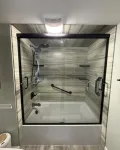
Does your bathroom mirror still stay fogged and damp after you’ve finished taking a long, hot shower in the winter? Water collecting on the windows? Making the bathroom feel more humid than it otherwise would be? You may start to notice changes in your bathroom’s humidity pattern as the weather cools and winter comes.
Bathroom ventilation in winter can be an easy area to start when it comes to making your bathroom more comfortable and better to care for. At Lori K Bath, we work with homeowners in the Northwest Indiana area to design bathrooms that are welcoming and easier to maintain. Let’s see why bathroom humidity builds during the colder months and what you can do about it.
Why Bathroom Ventilation in Winter Matters
As the cold weather comes in, the manner in which bathroom humidity builds will change slightly.
During the summer, you may have an open window while you shower. As the fall and winter roll around, however, no one wants to be letting the cold air into their home.
Windows stay shut, the heater comes on, and a warm shower is more appealing than ever.
Each time we take a hot shower, moisture builds within the form of water vapor.
This vapor needs to escape the bathroom, and either goes out through an open window or via the bathroom exhaust fan. Failing to properly ventilate the bathroom could, overtime, lead to condensation on the walls, windows, or other surfaces in the bathroom.
Cold surfaces such as windows will encourage condensation and moisture to build on them, more so than a warm surface would.
You might start to notice water building up around your windowpane or on the glass of your mirror. Some bathrooms experience dampness on the walls near the shower, or simply a general sense of humidity after a warm shower. It’s important to understand that while a simple bathroom may not need a bigger bathroom exhaust fan for winter use, it does need to be adequately sized for the bathroom to remove the extra humidity.
What Causes Shower Condensation After a Hot Bath?
Think back to when you were a child, and got a cold drink and brought it into a warm room. As the beverage sat on the table, you might have noticed the glass began to "sweat" from the condensation forming on the outside.
Something similar is happening when you experience shower condensation after taking a hot shower.
The water vapor from your hot shower is meeting a colder surface and it’s causing the vapor to turn into liquid water. During winter months, window and wall surfaces in the bathroom can be colder than the air in the room. After a hot shower, this causes vapor to collect on these surfaces.
You might begin to see,
Water collecting on the windows
Moisture on your shower walls or mirror
General condensation after a shower
Water dripping from windows or window frames
Musty or moldy smell in the bathroom
While a small amount of condensation is to be expected after a hot shower, you should keep an eye out for any moisture that seems to linger or stay in the same spot. This is a sign that the moisture has had the opportunity to soak into materials, possibly leaving water damage behind.
Signs Your Bathroom Exhaust Fan Isn’t Working Properly
One of the best ways to get rid of the excess water vapor after a hot shower is to turn on the exhaust fan.
It’s a common bathroom feature but what many homeowners might not realize is that the fan itself may not be doing its job correctly. An exhaust fan can lose power overtime or simply not be the right size for the square footage of the bathroom.
Another reason why bathroom ventilation in the winter is important is because your fan may have gotten dusty or have clogged vents, restricting the flow of air. A simple test you can perform at home is to turn the fan on, and hold a small strip of toilet paper up to the fan vent. A functioning bathroom exhaust fan that is moving air correctly should suck the paper into the fan.
This isn’t a complete test for air flow but will help you identify if your bathroom fan is working correctly. If the fan is making strange noises, or simply isn’t removing air from the bathroom, it may be time to clean or replace it. Make sure your exhaust fan is venting to the outside of your home. If the air is being vented into an attic space this could be causing issues elsewhere in the home.
How Long Should a Bathroom Exhaust Fan Run in the Winter?
A common rule is to keep your bathroom exhaust fan running while you shower and for a time after. A simple rule of thumb is to leave the bathroom exhaust fan on for 20 minutes after the shower ends. Some bathrooms require ventilation after a shower especially if you had a long hot shower.
If you see that your bathroom mirror is staying fogged or water dripping on the walls after a shower you may need to run your bathroom exhaust fan for a time. If you have a bathroom exhaust fan with a timer you can use the timer to manage the ventilation needed to dry the bathroom.
You can also turn the bathroom exhaust fan on before you start your shower. This lets the bathroom exhaust fan start clearing moisture before you even step into the shower. If several people use the bathroom and shower at times you might want to keep the bathroom exhaust fan on for a few minutes between each shower. Ventilating the bathroom after each use is key, to cutting down moisture.
How Excess Bathroom Moisture Can Lead to Mold
Left unchecked, the excess moisture that builds up during the colder months and causes bathroom condensation can lead to mold issues.
Mold tends to grow in warm, moist environments. The kind of environment it grows in isn’t dissimilar from the conditions of a hot, humid bathroom. You may start to see mold growing in your shower, along the walls, or on the ceiling. A musty smell coming from your bathroom is another sign that mold might be getting out of control.
While it’s normal to see a few spots of mold in your bathroom, mold that recurs in the same spot or appears across your bathroom could be an issue.
Bathroom humidity may also affect other items in your bathroom, like your paint, caulk, or other materials used to make your shower or bathroom. Wetness left unattended can damage materials and destroy them. Proper bathroom ventilation won’t stop bathroom mold from growing, but it will reduce the chances of it.
If you start to see mold growing in your shower or bathroom, it’s best to have it professionally cleaned and looked at. Same with moisture behind walls, or ceiling tiles, or any other kind of water damage.
Should You Open the Bathroom Window During Winter?
Opening the window is one way to release excess moisture from the bathroom, but it can be an uncomfortable way to do it during the winter.
Excess moisture can build up around a cold window, making it an ineffective way to reduce bathroom humidity in the colder months. A running bathroom exhaust fan is a much warmer alternative. If you open a window during the winter months, you’re also losing heat from your home and wasting energy heating the bathroom.
While bathroom windows do provide ventilation, an exhaust fan is much more efficient and effective at reducing bathroom humidity.
If you don’t have an exhaust fan for your bathroom, consider opening the window briefly during a hot shower to let out some of the moisture. If you notice excessive condensation or that your window has been getting colder than the air in the room this can be an effective method. Just be sure to close the window after the shower is complete to keep the heat in your home.
Opening a window to release moisture from the bathroom doesn’t have to be a regular occurance in winter. Unless there is an issue with your existing bathroom exhaust fan, you likely don’t need to run it in conjunction with an open window.
Ways to Manage Moisture After Your Shower
Moisture collecting in your bathroom after a shower is a sign that you need to improve your bathroom ventilation. If you don’t have an exhaust fan, now might be the perfect time to get one. For a homeowner looking to improve their bathroom, a small upgrade to an exhaust fan can have large effects.
For any homeowner considering a bathroom renovation or remodel, there are some important features that will help reduce bathroom humidity.
Let’s review a few features that could help reduce bathroom humidity and what to consider when choosing them.
Smooth Surfaces On Shower Walls
Walls with smooth surfaces tend to be easier to clean after a shower. They also produce less grout than rougher surfaces, which is another important consideration.
A smoother surface on your shower walls reduces the likelihood of moisture collecting after your shower, but it isn’t a substitute for a bathroom exhaust fan. Smooth, easy-to-clean surfaces reduce overall maintenance in the bathroom.
Shower Door That Seals Well
A strong shower door that doesn’t leak can help keep the shower’s moisture contained. Keeping the moisture contained reduces the amount of overall humidity in the bathroom, which also reduces the risk of slipping on a wet floor.
Bathroom Exhaust Fan That Has Been Installed Properly
If your current bathroom exhaust fan is under-powered, it might not be able to remove all of the moisture produced by your bathroom. If you are unsure whether your fan is right for your bathroom or if it has been well-maintained, it is a good idea to hire a licensed contractor to evaluate your fan and see if you need a more powerful bathroom exhaust fan. Bath fans are measured in square footage, so the size of your bathroom will matter when it comes to finding the right fan.
Moisture-Resistant Materials For Your Bath
Bath materials are crucial to a bathroom that will stand the test of time. Be sure to ask your contractor about the material’s resistance to moisture, and ask them about the waterproofing on any seams or joints in the material.
Simple Ways To Reduce Bathroom Moisture This Winter
There are some steps you can take this winter to improve your bathroom ventilation. While a full bathroom remodel can improve your bathroom ventilation there are still changes you can make to help reduce bathroom moisture.
Here are a few simple fixes that can help reduce bathroom humidity:
Turn on the exhaust fan while showering and after.
Wipe down shower walls and glass after showering.
Leave the bathroom door open after showering if possible.
Consider using a bath mat that can be washed regularly.
Check windows for signs of recurring condensation.
Repair faucets and leaking shower pans.
You can also consider buying a hygrometer device to measure the humidity in your home. Most people find that maintaining humidity between 30-50% is fairly comfortable but that number can vary depending on the time of year and the outdoor humidity of the area you live in. At cold times of the year you may want to reduce the overall humidity in your home to counteract the colder temperatures.
If your bathroom has issues with lingering moisture after a shower it may be an issue with the humidity, in your home.
When Bathroom Moisture Calls for a Remodel
You might have problems with an exhaust fan or a plumbing leak but your bathroom could need more than just a few fix-ups. An older bathroom might have issues with materials, such as shower walls or a broken tub. If your shower enclosure has gotten worse it can be a danger. Might need to be replaced.
If you have noticed water coming out of your shower enclosure or the enclosure itself has gotten worse a bathroom remodeling project could be the choice for solving the problem. The new shower enclosure could be turning a tub into a shower or a new walk-in shower. If you’re thinking about a bathroom remodel it’s a chance to check for any hidden problems in your bathroom.
A bathroom remodeling project is a way to refresh an old bathroom and pick new easy-to-care-, for materials for your shower or bathtub. At Lori K Bath, we specialize in providing Northwest Indiana homeowners with custom-made alternatives to traditional bathtubs and showers.
Our family-owned company focuses on providing Made in USA products and factory-trained installers that can complete most bathroom remodeling projects in a single day. We work with homeowners to create a design for their shower or bathtub that fits their needs and preferences. Contact us today to schedule your free design consultation and learn more about the Lori K Way.