
 Skip to content

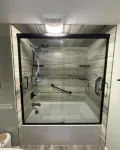
Bathroom leaks rarely start with water pouring across the floor. Most begin with a slow drip behind tile, drywall or a shower panel. The damage grows out of sight, then leaves small clues around the room.
Hidden water damage can weaken walls, stain ceilings and raise repair costs. Lori K Bath often sees these warning signs in older Northwest Indiana bathrooms during remodeling visits.
This guide explains what to watch for, where leaks often start and how bathroom remodeling can expose damage before it spreads.
A Musty Smell That Never Leaves
A bathroom may smell damp after a long shower. The odor should fade once the room dries.
A smell that stays all day can point to trapped water.
Wet drywall, wood and insulation can hold that odor. Cleaning the shower will not remove it. Air sprays only cover it for a short time.
Check the smell near the shower valve, tub edge, toilet and vanity. Get close to the baseboards too. One area may smell stronger than the rest.
A steady musty odor often appears before visible bathroom water damage.
Paint Starts Bubbling or Peeling
Bathroom paint deals with heat and steam every day. Good ventilation helps it hold up.
A leak behind the wall creates a different kind of damage.
Paint may bubble in one small area. The edges can curl away from the wall. A brown or yellow stain may form under the surface.
Touch the spot lightly. Soft drywall can point to water inside the wall.
Painting over the area will not fix it. The stain often returns, and the wall keeps getting weaker.
Look around the shower, tub and sink. Pay close attention to plumbing walls and corners.
The Wall Feels Soft
Drywall should feel firm under light pressure.
A soft, swollen or spongy area often means water has soaked into the material. The paper face may wrinkle. The wall can also feel cool near the damaged spot.
Do not press hard. Wet drywall can break with little force.
Soft areas near shower fixtures often point to shower leaks. Damage near the vanity may come from supply lines or drain fittings.
The wet section needs to come out once the leak is repaired. Drywall loses strength after soaking up water.
Tile Starts Moving
Tile should stay firm against the wall.
Loose tile means the bond behind it has failed. Water may have reached the backing board or adhesive.
Tap the tile gently. A hollow sound can point to an empty space behind it. Movement under light pressure also needs attention.
Cracked grout can give water a path behind the tile. A failed corner joint can do the same.
One loose tile may need a small repair. Several loose tiles often point to deeper bathroom water damage.
A shower remodel gives the crew access to the wall behind those tiles. That access can show the full condition of the surface.
Grout Keeps Cracking in the Same Place
Grout can crack from age, movement or poor installation.
One repair should hold for a reasonable amount of time. A crack that returns quickly tells you something is still moving.
The wall may have weak support. The shower base may flex. Water may have damaged the material behind the tile.
Fresh grout covers the gap, but it does not stop the movement.
Watch lower corners and joints near the tub or shower pan. Those spots handle steady water and daily pressure.
Repeated grout trouble deserves a closer look before more patching.
Caulk Pulls Away From the Wall
Caulk seals the joints around tubs, shower bases, panels and fixtures.
Old caulk can shrink or split. Water then slips through the opening.
A dark line under the caulk can point to growth below the surface. A gap that returns after recaulking may signal movement or damage behind the wall.
New caulk works best on a clean, dry and solid joint. It will not hold well on wet or soft material.
Check every corner. Look near the faucet trim and shower door frame too.
Small gaps can let water enter the wall every day.
The Floor Feels Soft Near the Shower
Bathroom leaks do not always stay inside the wall.
Water can move down and reach the subfloor. The floor may feel soft near the shower, tub or toilet.
Vinyl can bubble. Tile may crack. Grout lines can break apart. A toilet may start rocking.
These signs can point to weak material below the finished floor.
A bathmat may hide the damage for months. Move rugs often and check the surface underneath.
Soft flooring needs quick attention. The repair can grow larger once water spreads under cabinets or into nearby rooms.
Baseboards Swell or Pull Away
Wood trim reacts quickly to water.
Baseboards may swell, split or pull away from the wall. Painted trim can show brown marks near the bottom edge.
Pressed-wood trim often becomes thicker after it absorbs water. The corners may feel rough or soft.
Check the trim beside the tub, shower and vanity.
A small splash may wet the surface. Repeated swelling points to a steady source.
The leak may sit inside the wall or under the floor. Replacing the trim alone will not stop the damage.
Stains Appear on the Ceiling Below
An upstairs bathroom leak can show up one floor lower.
Look for yellow rings, brown stains, peeling paint or soft ceiling spots. The stain may grow after each shower.
The source may come from a shower drain, tub overflow, toilet seal or water line.
Do not poke the ceiling. Wet drywall can fall.
Stop using the fixture if the stain grows or starts dripping. A plumber should find the leak first.
The bathroom surface above may need removal after the plumbing repair. This often becomes part of a larger bathroom renovation.
Water Pressure Changes for No Clear Reason
A sudden drop in water pressure can point to a plumbing problem.
Mineral buildup may block a showerhead. A damaged valve can affect the flow too. A leak inside the wall may reduce pressure at the fixture.
Check other faucets in the home. Low pressure at one shower points to a local issue. Low pressure across the house needs a broader plumbing check.
Listen for water after the fixture shuts off. Dripping or running sounds inside the wall need attention.
Hidden bathroom leaks can waste water long before stains appear.
The Water Bill Jumps
A higher water bill can reveal a leak with no visible puddle.
Compare the last few bills. Look for a sudden rise with no change in household use.
Toilets often cause hidden water waste. Shower valves and supply lines can leak inside walls too.
Turn off every faucet and appliance that uses water. Then check the water meter. Movement may point to an active leak.
A plumber can trace the source.
Water bills provide a useful clue, but wall damage needs its own inspection after the leak is repaired.
Mold Returns After Cleaning
Dark spots around grout, caulk or ceiling corners can come from high bathroom moisture.
Growth that returns in the same place may point to hidden water damage.
Cleaning removes the surface marks. Water behind the wall keeps feeding the problem.
Check the fan first. Poor airflow can leave the room damp for hours. Look for failed seals and plumbing trouble next.
Mold near one exact spot often points to a local leak. Growth across the whole room may come from weak ventilation.
The water source must stop before new finishes go in.
Shower Fixtures Feel Loose
A loose handle, showerhead arm or faucet trim can let water reach the wall.
The fixture may move each time someone uses it. That motion can break the seal around the opening.
Water then runs behind the trim plate.
Look for gaps around handles and shower arms. Check for rust, mineral marks or loose caulk.
Do not tighten plumbing parts with too much force. Older fittings can crack.
A plumber can inspect the valve and connections. A shower replacement can give clear access to worn parts behind the wall.
You Hear Dripping Inside the Wall
Bathrooms make many normal sounds.
Water moving through pipes during use is common. Dripping that continues after the faucet shuts off is not.
Stand near the plumbing wall in a quiet room. Listen for slow drops, hissing or running water.
The sound may stop after several minutes. A drain line can hold some water after use. A steady sound needs attention.
Do not wait for a stain.
Water can soak insulation and wood for weeks before reaching the finished wall.
Why Small Leaks Cause Large Repairs
A slow leak may release only a little water each day.
That water has time to spread. Drywall absorbs it. Wood holds it. Insulation traps it.
The area may stay wet between showers.
Damage can reach wall studs, flooring, trim and rooms below. Repair costs rise once more materials need removal.
Fast action keeps the work smaller.
Watch for the first warning signs. Do not wait for a wall to open or a ceiling to drip.
Can a Bathroom Remodel Expose Hidden Damage?
Yes. A bathroom remodel often reveals what sits behind old walls and shower surfaces.
Crews can remove worn panels, loose tile and damaged backing. Plumbing connections become easier to inspect. Wet material can come out before the new system goes in.
At Lori K Bath, the planning process starts with the current condition of the space. The goal is more than a fresh look.
Our custom bath and shower products are built for each home. Factory-trained installers handle the fitting and sealing. Most bath and shower projects are completed in one day after the materials arrive.
Any active leak or deep structural damage still needs proper repair before the new shower is installed.
Repair the Leak Before Rebuilding the Room
New walls should never cover an active leak.
The plumbing repair comes first. Damaged drywall, flooring and wood need removal. The area also needs time to dry.
A clean, solid base gives the new materials proper support.
This order protects the bathroom renovation and the rest of the home.
Homeowners sometimes focus only on the visible stain. The source matters more.
One small leak can affect several surfaces. A careful inspection helps define the full repair.
Watch for Trouble Before It Spreads
Hidden water damage rarely stays hidden forever.
A musty smell, soft wall, loose tile or stained ceiling gives you an early clue. Repeated caulk and grout trouble may point to water behind the surface too.
Lori K Bath helps Northwest Indiana homeowners replace worn bath and shower areas with custom, low-maintenance products. We are a local, family-owned company, and we treat your home as if it is our own.
Schedule a free design consultation with Lori K Bath. Our team can review your bathroom, discuss the warning signs and help you plan the next step.