
 Skip to content

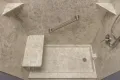
A slippery bathroom floor can be really scary. Water, soap and smooth floors can be a combination near the shower, tub or sink.
You can make changes to make it safer but some floors need more than just a bathmat. At Lori K Bath we help people in Northwest Indiana make their bathrooms safer and more comfortable. This guide will tell you about the problems, quick fixes, better flooring choices and signs that you might need to remodel your bathroom.
Start With the Source of the Water
Water on the floor usually comes from one of several places. It may splash out of the shower. It might drip from a wet towel. A loose shower door can leak near the frame. Water can also collect around the sink or toilet.
Watch the floor after using the bathroom. Where do puddles form? How long do they stay there? Does one corner remain wet longer than the rest?
The answers can help you find the real problem.
A new rug will not fix a leaking shower door. A stronger fan will not repair a toilet seal. Start by finding the source of the water, then deal with the slippery bathroom floor.
Bathmats Help, but Placement Matters
A bathmat can provide grip and catch water. Choose one with a rubber or nonslip backing.
Thin mats can slide across tile. Thick mats may bunch near the edge and create another tripping hazard.
Place the mat where you step out of the shower or tub. Keep every corner flat and wash it often. Damp fabric can hold odors and grow mold.
One mat may not cover the full wet area. A larger runner can work near a vanity, but keep the walking space around the toilet and doorway clear.
A mat can help control some water. It will not solve a floor that stays slick every day.
Smooth Tile Can Lose Grip Fast
Many bathroom floors look safe when they are dry. Add water, soap or lotion and the surface can change quickly.
Polished tile can feel slick under bare feet. Large tiles may also have fewer grout lines, which means the floor has less natural grip.
Small tiles often provide better traction. The added grout lines break up the surface and give your feet more contact.
Texture matters too. A lightly textured tile can feel safer than a glossy finish. Deep textures may trap dirt and take more work to clean.
The goal is to choose bathroom flooring that offers grip while still being low-maintenance.
Check the Floor’s Slip Rating
Bathroom flooring products often include a slip rating. One common measurement is called the Dynamic Coefficient of Friction, or DCOF.
This rating helps show how much grip a surface provides under wet conditions.
Ask for flooring rated for wet areas. Do not choose a product based on color or appearance alone. A showroom sample may feel different from a full floor.
Test the surface with damp shoes or bare feet when possible.
A safe bathroom floor should feel steady during normal use. At Lori K Bath, we help homeowners compare materials during the planning stage. Seeing and touching the samples can make the decision easier.
Soap Film Makes Floors Dangerous
Soap does not always stay inside the shower.
Small drops can reach the bathroom floor. Shampoo, body wash, hair products and lotion may leave a film behind.
That film may not look dirty, but it can still make the floor slippery.
Clean the floor with a product made for that material. Rinse it well. Leftover cleaner can create another slick layer.
Pay close attention near the shower door, tub edge and vanity.
A quick wipe after bathing can help. Deeper cleaning once a week keeps residue from building up. Clean floors usually provide better grip than floors covered in old soap film.
Better Ventilation Helps Floors Dry Faster
A bathroom exhaust fan pulls moist air out of the room.
It will not remove a puddle, but it helps damp surfaces dry faster. Run the fan during every shower and leave it on for about 20 minutes afterward.
Open the shower curtain or door once the room starts to clear. Hang towels where air can reach both sides.
A weak fan may leave the whole room damp. Water can remain on tile, grout, walls and trim longer than it should.
Better airflow supports bathroom safety. It also helps protect paint, caulk, cabinets and flooring.
A bathroom renovation gives you the chance to review the fan and the full vent path.
Grab Bars Add Support Near Wet Areas
Grab bars give people something secure to hold.
They work well near showers, tubs, toilets and steps. They can help stop a fall before it happens or provide support if someone loses balance.
Placement matters. A bar near the shower entrance can steady the first step. A second bar inside the shower can help with standing and turning.
The bar also needs proper support behind the wall. Light-duty anchors may not provide enough strength.
During bathroom remodeling, support can be added behind the wall before the grab bar goes in.
Modern grab bars come in many finishes. They can match the faucets and look like a natural part of a beautiful, custom bathroom.
Low-Threshold Showers Reduce the Step
A high tub wall creates a difficult step.
You have to lift one leg over the edge, shift your weight and lower your foot onto a wet floor. That movement can feel risky for older adults or anyone with limited balance.
A low-threshold shower reduces the height of the step. Some shower bases sit close to the floor. Others remove the raised edge almost entirely.
This change can make entry feel easier and more natural.
A low threshold still needs proper drainage. Water should move toward the drain rather than out onto the bathroom floor.
Lori K Bath offers custom shower options designed around each homeowner’s needs. The goal is to improve safety without making the room feel cold or clinical.
Shower Seats Can Reduce Standing Time
Standing on a wet floor requires balance and strength.
A built-in shower seat gives you a place to rest. It can help while bathing, shaving or washing your feet.
The seat should feel solid and leave enough room to sit without crowding the shower.
Fold-down seats can save space in smaller showers. Built-in benches create a finished look and can also hold bath items.
A seat works best with grab bars and a handheld showerhead. That setup allows someone to stay seated and control the water without reaching too far.
An accessible bathroom should support daily routines without making them feel harder.
Handheld Showerheads Give Better Control
A fixed showerhead sends water in one direction.
A handheld model gives you more control. You can rinse soap away without twisting, stretching or stepping across the shower. That may also reduce the amount of water that reaches the floor.
Handheld showerheads make bathing easier in other ways too. They work well for children, pets and cleaning the shower walls.
The hose should be long enough for easy reach. The holder should sit at a comfortable height.
A slide bar can provide several height options.
This small update often makes the shower more convenient and easier to use.
Fix Loose or Uneven Flooring
Loose tiles create more than a cosmetic problem.
They can shift underfoot. Cracked grout may catch toes. Raised edges can become trip hazards.
Vinyl flooring can curl near the seams. Laminate may swell after water reaches the core.
Feel the floor under your feet. Watch for soft spots, movement or changes in height.
A small repair may solve one damaged area. Widespread trouble often points to moisture beneath the floor.
Do not cover damaged flooring with a rug. The damaged section needs to be repaired.
A bathroom remodel may make more sense when the problem spreads across the room.
Lighting Plays a Safety Role
A dark bathroom can hide water on the floor.
Better lighting helps you see wet spots, raised edges and objects left in the walking path.
Use lighting near the shower, vanity and toilet. A small night light can also help during late-night trips.
Motion lights work well for adults and children. They turn on without anyone having to search for a switch.
Keep floor-level lighting soft. Harsh glare can make depth more difficult to judge.
Good bathroom design includes light where people walk, not only where the room looks best.
Keep the Path Clear
Bathroom clutter can make a slippery floor even more dangerous.
Towels, cords, baskets and bath products may block the walking path.
Keep the floor clear near the shower and toilet. Store hair tools inside a drawer. Use wall hooks for towels. Add shelves inside the shower so bottles stay off the floor.
A simple layout makes the room easier to move through.
That matters in a small bathroom. Tight spaces leave less room to recover after a wrong step.
Storage and bathroom safety often work together.
Pick Safer Bathroom Flooring
Several flooring materials work well in bathrooms.
Textured porcelain tile offers water resistance and many style options. Small tiles often provide extra grip because of the added grout lines.
Luxury vinyl tile feels softer underfoot. It handles water well when installed correctly and can copy the look of wood or stone.
Sheet vinyl has fewer seams. That may help keep water from reaching the subfloor.
Natural stone needs careful selection. Some finishes become slick when wet, and many types need sealing and regular care.
The best bathroom flooring balances grip, comfort, cleaning and long-term wear.
Think About Everyone Who Uses the Room
Bathroom safety needs can change over time.
A floor that feels fine today may become harder to use after an injury. Aging can affect balance, strength and vision.
Children have their own needs. They splash water and move quickly. Guests may not know which areas of the floor become slick.
Plan for daily use and for the people who use the room most often.
An accessible bathroom can help more than someone with a mobility concern. Safer flooring, better lighting, grab bars and easier shower entry can benefit the entire household.
Thoughtful planning helps the room stay useful for years.
When Does a Full Bathroom Remodel Make Sense?
One small problem does not always mean you need to remodel the entire bathroom.
If the only issue is a loose mat, a simple replacement may solve it.
Several problems at once are different.
The shower leaks. The floor stays slick. Tiles are loose. The tub wall feels too high. Lighting is poor. Grab bars are missing or unsafe.
Fixing only one or two things may not solve the full problem.
A bathroom remodel can address the flooring, shower, storage, lighting and support features at the same time.
At Lori K Bath, most bath and shower projects are completed in just one day after the custom products arrive. Our products are made in the USA and custom-manufactured for each home.
That shorter schedule helps reduce disruption and makes the project easier to manage.
Make Your Bathroom Floor Feel Safer Every Day
You should not have to worry about slipping every time you enter the bathroom.
Start by finding the source of the water. Add a nonslip mat, clean away soap film and check the fan, lighting and walking path.
Some bathrooms need more support.
Low-threshold showers, grab bars, safer bathroom flooring and handheld showerheads can make the room feel more comfortable and secure every day.
Lori K Bath helps Northwest Indiana homeowners plan beautiful, custom bathrooms that support comfort, safety and daily routines. We are a local, family-owned company, and we treat your home as if it is our own.
Experience the Lori K Way by scheduling a free design consultation. Our team can help you plan a low-maintenance bathroom that works well for your home and everyone who uses it.