
 Skip to content

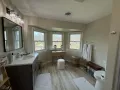
You may start a bathroom remodel thinking about the shower, tub, or vanity. Then you look down. The flooring is faded, the grout never looks clean, or the old material simply does not fit with everything else you plan to change. That brings up a common question: should the floor be replaced too?
A bathroom floor replacement is not necessary for every project. Sometimes the existing floor is in good shape and works perfectly well with the new design. Other times, keeping it can create problems or leave the room looking partly finished. Lori K Bath helps homeowners look at the whole bathroom so those decisions make sense before remodeling begins.
Take a Good Look at the Floor You Already Have
Age alone does not mean your floor has to go. Condition matters more.
Start by looking for cracked tiles, loose pieces, worn grout, stains, soft areas, or sections that have started lifting. Pay close attention around the toilet, tub, and shower. Those are places where water problems often show themselves first.
An older floor can also be perfectly solid but look out of place after other parts of the bathroom are updated. A bright new shower next to flooring from decades ago may make the older surface stand out even more.
That does not automatically mean replacement is necessary. It simply needs to be part of the conversation.
When Bathroom Floor Replacement Makes Sense
There are a few situations where replacing the flooring during a bathroom remodel is worth serious consideration.
Visible damage is the obvious one. Cracked or loose flooring is more than a cosmetic issue, especially if water has found its way beneath the surface.
Another reason is a major layout change. Moving or removing fixtures can expose areas where the old flooring does not continue underneath. Matching an older floor later can be difficult.
Then there is the overall design. If you’re already changing the shower, vanity, paint, and fixtures, an outdated floor can keep the room from feeling fully refreshed.
Doing the flooring as part of the remodel can also save you from having to disrupt the bathroom again a year or two later.
Watch for Signs of Moisture Trouble
Bathrooms get wet. That is normal. A floor that stays wet or feels soft is not.
Water can slip through damaged grout, failed seals, gaps around fixtures, or areas where flooring has started to separate. You may notice discoloration near the tub or toilet. There may be a musty smell that returns even after cleaning.
Soft or uneven spots deserve attention too.
A new floor should not simply be installed over an unresolved moisture problem. The source needs to be identified first. Otherwise, the new material may eventually develop the same trouble.
This is one reason it helps to discuss the floor during the early stages of a bathroom renovation, even when flooring was not the reason you started remodeling.
What If Your Current Floor Is Still in Good Shape?
Keep it.
There is little reason to remove a bathroom floor just for the sake of saying everything is new. If the flooring is sound, easy to maintain, and works with your new design, leaving it alone can keep the project focused on areas that need more attention.
Maybe your bathtub is the real problem. Perhaps you want to replace a cramped shower but still like the rest of the bathroom.
A focused remodel can make more sense than changing things that still work.
The key is making that choice before new materials are selected. Colors and finishes for the shower, walls, vanity, and fixtures can then be chosen with the existing floor in mind.
Choosing Flooring That Can Handle a Bathroom
Bathroom floors have a tougher job than flooring in many other rooms.
Wet feet step onto them every day. Water splashes out of the shower. Humidity rises and falls. Toiletries spill. The floor still needs to clean up without becoming a constant chore.
That makes moisture resistance one of the first things to consider.
Waterproof flooring or highly water-resistant materials are popular for this reason. The right option depends on the room, your design preferences, maintenance expectations, and budget.
Looks matter, but bathroom flooring has to live with water first.
Bathroom Tile Flooring Is Still a Popular Choice
Bathroom tile flooring has been used for years, and homeowners still like it for its durability and huge range of styles.
Tile can create anything from a clean, simple floor to a more detailed design. Different sizes and patterns also change how large or busy the bathroom feels.
There is maintenance to think about. Tile itself is relatively easy to clean, but grout lines need attention. Lighter grout can show discoloration sooner, especially in a busy bathroom.
The surface matters too. A highly polished tile may look attractive in a showroom, but traction is important in a room where the floor regularly gets wet.
Think about how the floor will actually feel and perform on an ordinary Tuesday morning, not only how it looks in a sample.
Don’t Pick Flooring Without Considering the Shower
One of the easiest design mistakes is choosing every bathroom material separately.
You find a shower wall you like. Then a floor. Then a vanity. Each choice looks good alone, but together the room feels busy.
Look at samples next to each other whenever possible.
If the shower walls have a strong stone pattern, a quieter floor may balance the room. A simple shower surround gives you more freedom to bring texture or pattern into the flooring.
Color temperature matters too. Warm and cool tones can clash even when both materials look neutral on their own.
During the design process, Lori K Bath helps homeowners look at how the major elements work together rather than treating each choice as a separate decision.
Think About Cleaning Before You Choose
A bathroom floor can look beautiful and still become something you hate cleaning.
Lots of small tiles mean more grout lines. Deep texture can hold dirt. Very dark surfaces may show dust, water spots, or light-colored residue more easily than expected.
Ask yourself how much maintenance you realistically want.
If easy cleaning is high on your list, tell your design consultant early. That can help narrow down materials before you spend time comparing options that do not fit your routine.
Your bathroom is meant to be used every day. The materials should work that way too.
Should the Flooring Match the Rest of Your Home?
It does not have to match exactly.
The bathroom can have its own personality, but it should not feel completely disconnected from nearby rooms. Looking at the flooring outside the bathroom can help you choose colors that create a natural transition.
This matters even more in primary suites where the bathroom opens directly into the bedroom.
You do not need identical materials. Similar undertones or complementary colors are often enough to make the spaces feel connected.
Decide on the Floor Before Installation Starts
Flooring should not become a last-minute decision.
If you are considering replacing it, bring it up during the planning stage. The remodeler can look at the condition of the existing floor and how your other planned changes may affect it.
That also gives you time to compare materials without rushing.
At Lori K Bath, the design process starts with how homeowners want their bathroom to look and function. Sometimes that means replacing several parts of the room. Sometimes the smartest plan is keeping what already works and concentrating the budget elsewhere.
Make Your Bathroom Floor Part of the Plan
So, should you replace your bathroom floor during a remodel? If it is damaged, difficult to maintain, affected by layout changes, or no longer works with the room, replacement may be a smart part of the project. If it is still in good condition and fits the new design, keeping it can make just as much sense.
Planning a bathroom renovation with Lori K Bath? Schedule a free design consultation and talk through the entire space before deciding what stays and what changes. A good remodel is not about replacing everything. It is about making the right improvements for the bathroom you actually use.