
 Skip to content

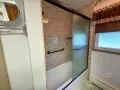
A leaky shower door often starts as a small annoyance. Water slips past the frame. A towel ends up on the floor after every shower. Then the damage starts to spread.
Leaks can stain flooring, swell trim and create slick spots near the shower. They may point to worn seals, loose hardware or a poor door fit.
Lori K Bath helps Northwest Indiana homeowners spot these problems during shower remodeling projects. Here are the signs that a shower door replacement may make more sense than another quick patch.
Water Pools Outside the Shower
A few drops near the door can happen after bathing. A puddle after every shower means the door is not keeping water inside.
Watch where the water appears.
A puddle near the lower corner often points to a worn sweep. Water along the full frame may come from failed caulk. Water near the hinge side can point to a poor seal or loose door.
Dry the floor after each use. Then watch the area during the next shower.
The source is easier to spot when the floor starts dry.
A steady puddle creates more than extra cleanup. It can make the floor slippery and damage nearby materials.
The Bottom Sweep Looks Worn
The bottom sweep runs along the lower edge of many glass shower doors.
It directs water back into the shower. Plastic sweeps can harden, crack, bend or pull away with age.
Look at the full strip. Gaps near the corners can let water escape quickly.
A new sweep may fix a newer door that is still in good shape. The replacement part must match the glass thickness and door style.
Repeated sweep failure points to another issue. The door may hang unevenly. The threshold may also have the wrong slope.
Replacing one strip will not fix a door that no longer fits the opening.
Caulk Keeps Cracking
Caulk seals the frame where it meets the wall and shower base.
Old caulk can shrink or split. Water then slips through the gap and reaches the floor.
Fresh caulk may help for a short time. The trouble often returns when the frame is loose or the surface behind it is weak.
Look for dark lines under the caulk. Check for sections pulling away from the tile or wall panel.
The joint must stay dry and solid for new caulk to hold.
A crack that returns in the same spot often means the frame moves during use. That movement calls for a closer look at the full door system.
The Door No Longer Closes Cleanly
A shower door should close without force.
It should line up with the frame or magnetic strip. The bottom edge should sit at the same height from one side to the other.
A door that drags, sticks or swings back open has a fit problem.
Loose hinges can cause the glass to sag. A shifted frame may create gaps near the top or bottom. Worn rollers can affect sliding glass shower doors.
Small hardware repairs may help. Deep wear or bent framing often calls for replacement.
Do not force a glass door closed. Extra pressure can damage the hinges or glass.
The Frame Feels Loose
Place one hand on the shower frame and press with light pressure.
The frame should feel firm. Movement near the wall can break the seal and allow water behind it.
Loose screws may need tightening. A wall anchor may have failed. Water damage behind the frame can weaken the mounting area too.
Rusty screws create another warning sign.
A loose frame does not protect the wall around the shower. It can shift every time the door opens.
A shower door replacement gives the installer a chance to inspect the mounting points and place the new system on a solid base.
Rust Appears Around the Hardware
Metal tracks, hinges, screws and handles deal with water every day.
Small rust spots can form after the finish wears down. Heavy rust points to deeper wear.
Check the lower track first. Water and soap often sit there after bathing.
Rust can weaken screws and hinges. It may also stain the shower base.
Cleaning can remove light surface marks. Pitted or flaking metal will keep getting worse.
Older framed doors often collect water inside narrow channels. Newer door styles may reduce those tight cleaning areas.
The Glass Feels Loose
Glass shower doors should stay firm inside their hinges, rollers or frame.
A rattling panel needs quick attention. Loose clips or worn hardware can place stress on the glass.
Check sliding doors for side-to-side movement. Watch for rollers jumping out of the track.
Do not keep using a door that feels unstable.
Glass is heavy. A failed hinge or roller can create a safety risk.
A trained installer should inspect the door. Replacement often makes sense once several hardware parts show wear.
Hard Water Has Damaged the Glass
Hard water leaves pale spots on glass shower doors.
Fresh mineral marks often clean off with the right product. Older buildup can bond to the surface.
The glass may still look cloudy after cleaning. Etching can leave a rough or dull finish.
That damage is not always a leak problem. It can still make the whole door look worn and harder to maintain.
Old tracks and seals often show wear at the same time.
New glass can give the bathroom a cleaner look. Protective coatings may help with future water spots, but regular wiping still matters.
The Track Holds Water and Grime
Sliding shower doors often use a lower track.
That track can catch water, soap, hair and cleaning residue. Small drain holes may also clog.
Standing water can spill over the edge. It may feed dark buildup along the frame.
Clean the track and open the drain holes. Watch the area during the next shower.
An older track with cracks, rust or bent sections may never drain well.
Many homeowners choose a door with fewer channels during a bathroom renovation. Fewer tight spaces can make weekly cleaning easier.
The Threshold Sends Water Outward
The shower threshold should guide water back toward the drain.
A flat or outward-sloping threshold can send water toward the bathroom floor.
You may see water gather under the door, then spill over during a longer shower.
A new sweep will not solve a slope problem.
The shower base or threshold may need repair. That can turn a door project into a larger shower remodel.
Lori K Bath looks at the shower base, wall system and door opening together. Each part needs to help control water.
The Door Design Does Not Fit the Shower
Some leaks start with the wrong door for the space.
A short panel may let spray escape. A swinging door may open over the bathroom floor and drip water outside.
The showerhead position matters too. Water aimed directly at a door seam can push through small gaps.
A better layout can solve these daily problems.
Frameless, semi-frameless and framed glass shower doors each have different needs. The opening size and shower shape help guide the right choice.
The door style should fit the room, not just the photo in a showroom.
Floor Damage Has Started
Look at the flooring near the shower door.
Swollen vinyl, loose tile, cracked grout or dark trim can point to repeated leaks.
Press lightly near the damaged area. A soft floor may mean water reached the material below.
Do not cover the spot with a bathmat.
The leak needs repair first. Damaged flooring may need removal after the area dries.
A simple shower door replacement can stop new water. Existing damage still needs proper repair.
Mold Keeps Returning Near the Door
Dark spots along the frame or lower corners often grow where water sits.
Cleaning removes the surface marks. Growth returns once the area stays wet again.
Check the seals, track, caulk and wall joint.
Poor bathroom ventilation can add to the problem. Run the exhaust fan during every shower and for about 20 minutes afterward.
A new door can reduce leaking. It cannot fix weak airflow or hidden wall damage.
Each water source needs attention.
The Door Is Hard to Clean
Old framed doors often have narrow tracks, overlapping panels and small metal channels.
Soap and water collect in those spaces. Brushes may not reach every corner.
Cleaning becomes harder once seals crack and metal starts to pit.
A newer door can reduce some of those trouble spots. Frameless designs use less metal. Wider openings may make the glass easier to reach.
The best choice still depends on the shower layout and budget.
Easy cleaning deserves a place in the plan. The door gets used every day.
A Repair No Longer Lasts
One worn seal can be a simple fix.
Several failed parts tell a different story.
The sweep needs replacement. The caulk keeps splitting. The frame moves. Rust spreads near the track. Water still reaches the floor.
Paying for one repair after another can cost more over time.
A full shower door replacement gives you new seals, hardware, glass and proper fitting. It may end the patch-and-clean cycle.
Does the Whole Shower Need Work?
A leaking door does not always call for a full bathroom renovation.
The shower walls and base may still be solid. A new door may solve the problem.
A larger project makes sense after the damage spreads.
Loose wall panels, soft flooring, failed caulk and poor drainage point to trouble beyond the door. An older shower may have several weak areas.
A shower remodel can address the door, base, walls, fixtures and storage together.
At Lori K Bath, custom bath systems are made for each home. Our factory-trained installers complete most bath and shower projects in one day after the materials arrive.
Stop the Leak Before It Damages More
A leaky shower door can damage the floor, trim and wall around the opening.
Watch for puddles, loose frames, worn sweeps, cracked caulk and rust. A door that drags or rattles also needs attention.
Lori K Bath helps Northwest Indiana homeowners plan custom shower updates that fit the room and daily routine. We are a local, family-owned company, and we treat your home as if it is our own.
Schedule a free design consultation with Lori K Bath. Our team can review the shower, discuss door options and help you plan the right next step.